Skip to content
How to Soundproof a Home From Construction Noise
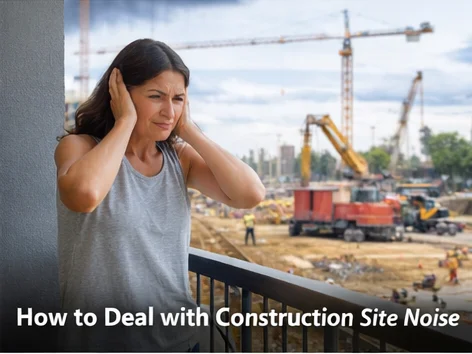
Soundproofing a home from construction site noise focuses on reducing how noise and vibration enter living spaces through windows, doors, walls, floors, and structural elements. Construction noise often exceeds normal residential noise levels measured in decibels (dB) and may include low-frequency sound and vibration that homes are not designed to block completely.
What Does Soundproofing Mean for Construction Noise?
Soundproofing refers to noise mitigation techniques that reduce sound transmission by increasing mass, sealing gaps, or absorbing sound energy. For construction noise, soundproofing targets airborne sound and structure-borne vibration entering the home. While complete isolation is unrealistic, partial reduction can significantly improve comfort and quality of life.
Why Is Construction Noise Hard to Soundproof?
Construction noise is difficult to soundproof because it often includes low-frequency noise and vibration from heavy equipment such as jackhammers, excavators, and pile drivers. These sounds travel through building structures, concrete slabs, and framing, bypassing lightweight materials. Residential buildings are not designed for continuous industrial noise exposure.

Which Parts of a Home Let in Construction Noise?
Construction noise commonly enters through windows, doors, walls, and ventilation openings. Windows are usually the weakest point due to thin glazing and air gaps. Walls, floors, and ceilings can transmit vibration, especially in apartments with shared structural elements. Poor sealing increases sound leakage even when soundproofing materials are present.
Why Are Windows the Weakest Point for Construction Noise?
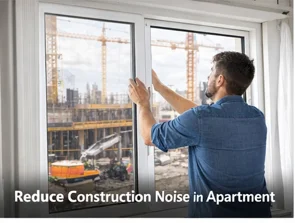
Windows allow construction noise to enter because glass has limited mass and small gaps transmit sound easily. Secondary glazing, window inserts, and well-sealed frames increase resistance to airborne noise. However, window upgrades reduce mid- and high-frequency noise more effectively than vibration or very low-frequency construction sound.
How Can Windows Be Soundproofed Against Construction Noise?
Window soundproofing focuses on added mass and airtight sealing. Options include secondary glazing, window inserts, tight seals, and acoustic curtains. These methods reduce airborne sound transmission and interior reflections. Their effectiveness depends on installation quality, noise frequency, and distance from the construction site.
Do Acoustic Curtains Help With Soundproofing?
Acoustic curtains and noise-dampening curtains absorb sound energy and improve interior acoustics. They slightly reduce incoming construction noise through windows but do not block vibration or low-frequency noise. Curtains work best as part of a layered approach rather than as a standalone soundproofing solution.
Can Walls Be Soundproofed From Construction Noise?
Wall soundproofing may involve adding mass, decoupling surfaces, or using acoustic insulation. In existing homes, especially apartments, major structural changes are often impractical. Limited improvements can reduce airborne sound, but structure-borne vibration traveling through walls and floors remains difficult to control.
How Does Vibration Affect Soundproofing?
Vibration allows construction noise to bypass traditional soundproofing methods. Ground-borne vibration from heavy machinery transmits through foundations, framing, and concrete slabs. Vibration dampening inside the home may reduce secondary noise, but residents cannot fully isolate vibration originating outside the building.
Soundproofing vs Noise Masking: What’s the Difference?
Soundproofing reduces actual sound transmission, while noise masking uses background sound to reduce perceived noise. Soundproofing lowers incoming noise levels, whereas masking does not change measured decibel levels. Masking may help with comfort but is ineffective against vibration and continuous construction noise.
What Works vs What Doesn’t for Construction Noise?
More effective approaches
- Sealing windows and doors
- Secondary glazing or window inserts
- Dense acoustic curtains
- Layered soundproofing methods
Limited effectiveness
- Acoustic foam alone
- Lightweight panels
- White noise for vibration
Effectiveness varies based on noise source and frequency.
What Are Realistic Expectations for Home Soundproofing?
Home soundproofing delivers partial noise reduction, not silence. Low-frequency noise and vibration are hardest to block. Results depend on distance from the construction site, building structure, and timing of activity. Perceived noise reduction may differ from actual measured dB reduction.
How Can Construction Noise Affect Health at Home?
Ongoing construction noise can contribute to sleep disruption, stress, reduced concentration, and general discomfort. Even noise within legal limits may impact quality of life, particularly during early mornings or extended construction periods.
When Should Soundproofing Be Combined With Other Actions?
Soundproofing is most effective when combined with noise monitoring, awareness of noise regulations, and communication with site management. If construction noise exceeds permitted limits or occurs outside allowed hours, regulatory or legal action may be necessary alongside physical mitigation.
How Can You Measure Construction Noise at Home?
Residents can measure construction noise using sound level meters or mobile apps that estimate decibel (dB) levels. Recording time, duration, and noise patterns helps track impact and supports formal complaints if limits are exceeded.
Soundproofing a Home From Construction Noise – FAQs
Does soundproofing completely block construction noise?
No. Soundproofing reduces how much construction noise enters a home but cannot fully block it. High-energy construction noise often includes low-frequency sound and vibration that travel through building structures, limiting the effectiveness of residential soundproofing methods.
Are acoustic curtains enough for construction noise?
Acoustic curtains help reduce airborne noise and interior reflections but are not sufficient alone for loud construction activity. Low-frequency noise and vibration can bypass curtains through walls, floors, and structural connections, requiring additional mitigation measures.
Is soundproofing permanent or temporary?
Soundproofing can be temporary or permanent depending on the method. Temporary options include acoustic curtains and window inserts, while permanent solutions involve structural changes. Effectiveness depends on building design, noise source, and vibration levels.
Why is construction noise harder to block in apartments than houses?
Construction noise is harder to block in apartments because sound and vibration travel through shared walls, floors, and ceilings. Detached houses have fewer shared structures, allowing greater control over noise transmission paths.
When should soundproofing be combined with other noise control actions?
Soundproofing should be combined with other actions when construction noise is continuous, disruptive, or exceeds permitted levels. Noise monitoring, knowledge of local regulations, and communication with authorities may be necessary to reduce overall impact.
Related Guides
- Reduce construction noise in apartments
- Sleep with construction noise
- Temporary solutions for construction noise
- Construction noise laws and working hours